

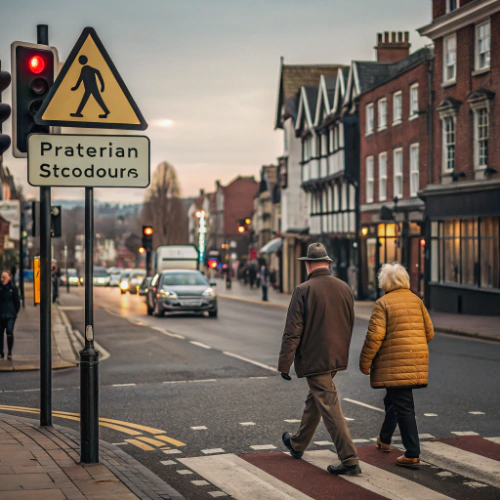
Being hit by a vehicle while walking is disorientating, even when the collision happens at low speed. In Shrewsbury, pedestrian accidents often occur near junctions, crossings, car parks, and busy town routes where vehicles and foot traffic interact closely. In the immediate aftermath, many people focus on getting home or calming down rather than thinking about what should happen next.
The actions you take following a pedestrian collision are crucial. They can affect your recovery, the evidence available, and whether you are able to make informed decisions later. This guide explains what to do after a pedestrian collision in Shrewsbury and why those actions are important.
Get medical attention as a priority
Your health should come first. Seek medical attention as soon as possible after a vehicle strikes you, even if your injuries seem manageable at the time. Adrenaline can mask pain, and some injuries only become apparent hours or days later.
Head injuries, spinal issues, and soft tissue damage are common in pedestrian accidents and may not be immediately obvious. Medical records also provide an independent link between the collision and your injuries, which can be important if symptoms develop or worsen later.
Ensure the collision is reported
If the police attend the scene, an incident or reference number should be recorded. If they do not attend, the collision can still be reported afterwards, particularly if injuries emerge later.
An official report helps confirm that the collision occurred and can support your account if responsibility is disputed. This step is often overlooked but can become important if questions arise months later.
Gather information while it is still available
If you are able, obtain details of the driver and vehicle involved, including the registration number and insurance information. Witness contact details can also be valuable.
Photographs of the scene, road layout, nearby crossings, signage, and any visible injuries can preserve details that may change quickly. Once traffic resumes or repairs take place, conditions at the scene often change.
Avoid assumptions about fault
Many pedestrians immediately assume they will be blamed, particularly if they were not using a designated crossing or if the collision happened quickly. In reality, pedestrians are treated as vulnerable road users, and drivers are expected to exercise a high level of care.
This does not mean pedestrians are never found partly responsible, but it does mean responsibility is assessed carefully. Even where a pedestrian contributed to the accident, compensation may still be available, though it could be reduced.
Avoid making assumptions or statements about fault before you understand how responsibility is assessed.
Keep records of how the injury affects you
If your injuries affect your ability to work or carry out everyday tasks, keep a record. This might include time off work, reduced hours, medical appointments, or help needed during recovery.
These records help demonstrate the real impact of the injury rather than relying on memory later. Small details can become significant over time.
Understand how pedestrian claims usually progress
Pedestrian claims are typically made against the driver’s motor insurance. The process involves reviewing evidence, assessing responsibility, and obtaining medical reports to understand the nature and impact of the injuries.
Compensation may reflect pain and suffering as well as financial losses such as lost earnings, treatment costs, and travel expenses. Many claims are resolved through negotiation rather than court proceedings.
Timing matters, even if you are unsure
Pedestrian claims are subject to time limits, usually three years from the date of the collision. While you do not need to decide immediately whether to pursue a claim, delaying advice can make things harder.
CCTV footage may be overwritten, witness memories fade, and evidence can be lost. Early guidance helps protect your options while you focus on recovery.
Common reasons people delay taking advice
People often delay because they hope symptoms will improve, they do not want to cause conflict, or they assume the process will be complicated.
In reality, early advice is about understanding your position, not forcing action. Many people benefit simply from knowing where they stand.
How Marley Solicitors can help
Marley Solicitors advises clients in Shrewsbury and across the Midlands who have been injured as pedestrians. We explain which steps matter after a collision, assess responsibility, and guide clients through their options clearly and practically.
Our focus is on helping you understand your position so you can decide what to do next with confidence.
The steps taken in the days following a pedestrian collision often shape what options remain available later.